3 Common Conditions a Vascular Clinic Can Treat

December 8, 2025

Our vascular system is responsible for transporting blood, oxygen, and nutrients throughout the body. When issues arise in this system, they can lead to serious complications if left untreated. A vascular clinic specializes in diagnosing and treating a wide range of circulatory problems. Whether you’re experiencing symptoms or simply want a preventative check-up, understanding the conditions vascular centers treat can help you take control of your health. Explore three common conditions that vascular centers often manage, helping patients maintain optimal vascular health.


1. Peripheral Arterial Disease (PAD)

Peripheral arterial disease occurs when arteries in the legs and arms become narrowed or blocked, reducing blood flow to the extremities. Symptoms can include leg pain while walking, numbness, or slow-healing wounds. Vascular clinics can diagnose PAD using imaging tests and provide treatments ranging from lifestyle modifications and medications to minimally invasive procedures like angioplasty. Early detection and management are crucial to prevent more serious complications, such as tissue loss or the need for amputation.


2. Carotid and Aortic Issues

Carotid arterial disease involves the narrowing of the carotid arteries, which supply blood to the brain, increasing the risk of stroke. Similarly, an abdominal aortic aneurysm is a dangerous enlargement of the aorta that can rupture if untreated. Vascular specialists use advanced imaging techniques to detect these conditions early. Treatments may include surgical repair, stenting, or close monitoring, depending on the severity of the condition. Addressing these issues promptly can save lives and prevent major cardiovascular events.


3. Venous Disease

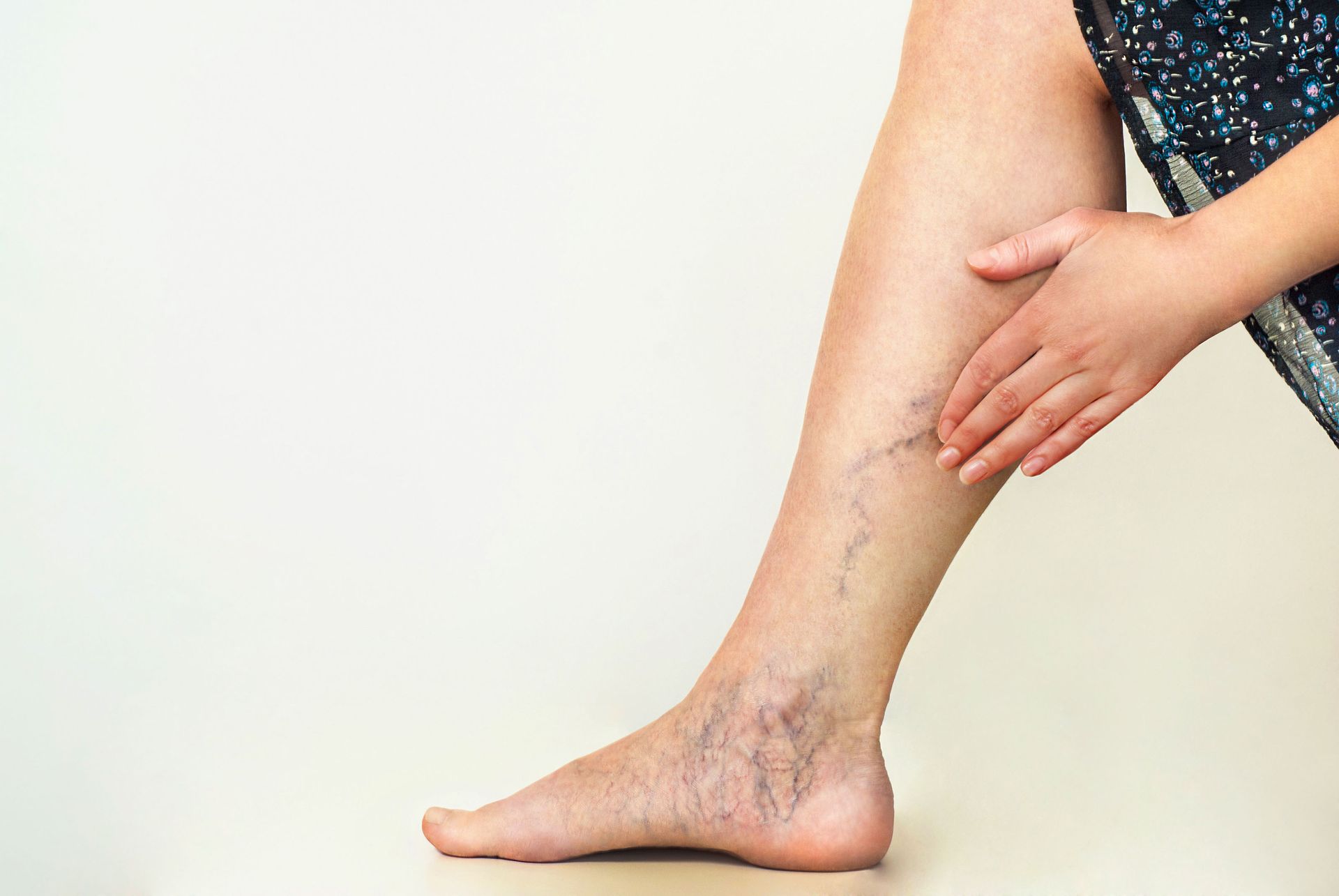
Venous disease encompasses conditions like varicose veins, chronic venous insufficiency, and deep vein thrombosis (DVT), which occurs when blood clots form in the deep veins. According to the National Institute of Health, one in five people experiences venous insufficiency. Symptoms can include swelling, pain, or skin changes in the legs. Vascular centers provide expert evaluation and treatment, including medications, compression therapy, and minimally invasive procedures to restore healthy blood flow and prevent complications such as pulmonary embolism.


Visiting a vascular center is a proactive step in protecting your circulatory health. From peripheral arterial disease and carotid or aortic conditions to venous disorders like DVT, vascular specialists offer targeted diagnosis, treatment, and preventative care. Don’t wait for symptoms to worsen—consulting a vascular clinic can help maintain healthy blood flow and support long-term wellness.


Schedule a visit with Arizona Endovascular Center, a reliable vascular clinic, for quality care. Protect your vascular health before problems arise.

vascular surgery
November 12, 2025
Do you know the signs of vascular disease? Keep reading to discover three signs of undiagnosed vascular disease that could indicate a need for vascular surgery.
local vascular clinic
April 21, 2025
Read our blog to learn about what to expect from a local vascular clinic. Contact our team to schedule an appointment today!
By Arizona Endovascular Center Arizona Endovascular Center March 27, 2025
Leg swelling and pain can be caused by a variety of factors, but when should you consider it a potential sign of a blood clot? Understanding the warning signs can help you take timely action. Signs That Your Leg Swelling Might Be Due to a Blood Clot: Swelling that occurs suddenly and is localized to one leg Pain that feels like cramping or soreness Skin that appears red or feels warm to the touch When to Seek Medical Help : If you experience persistent swelling, pain, or any of the above symptoms, it’s essential to seek medical evaluation promptly. Untreated blood clots can lead to serious complications such as pulmonary embolism. What to Expect During Evaluation: Physical examination Ultrasound imaging to detect clot presence Blood tests to assess clotting risk Arizona Endovascular Center offers expert diagnosis and minimally invasive treatments to address blood clots and ensure optimal vascular health.
By Arizona Endovascular Center Arizona Endovascular Center March 9, 2025
Preventing blood clots is essential for maintaining good vascular health and avoiding complications such as DVT and PE. Fortunately, there are simple lifestyle changes you can adopt to lower your risk. Stay Active: Regular movement helps keep blood flowing and prevents clot formation. If you have a sedentary job, take breaks to stretch and walk. Maintain a Healthy Diet : Incorporate foods rich in omega-3 fatty acids, fiber, and antioxidants to support circulation and overall heart health. Stay Hydrated: Proper hydration helps maintain optimal blood viscosity and reduces the risk of clot formation. Know Your Risk Factors: If you have a history of DVT, are pregnant, or have underlying health conditions, consult with a specialist to develop a personalized prevention plan. Arizona Endovascular Center is here to help you take proactive steps to reduce your risk of blood clots and improve your vascular health.
Pulmonary Embolism: Recognizing the Silent Threat
By Arizona Endovascular Center Arizona Endovascular Center March 9, 2025
A pulmonary embolism (PE) occurs when a blood clot, usually from a deep vein in the leg, travels to the lungs and blocks blood flow. PE is a life-threatening emergency that requires immediate medical attention.
local vascular clinic
February 19, 2025
There are a few simple ways to choose the right local vascular clinic for your needs. Keep reading or contact us today to learn more.
The Connection Between Heart Health and Vascular Health
By Arizona Endovascular Center Arizona Endovascular Center February 10, 2025
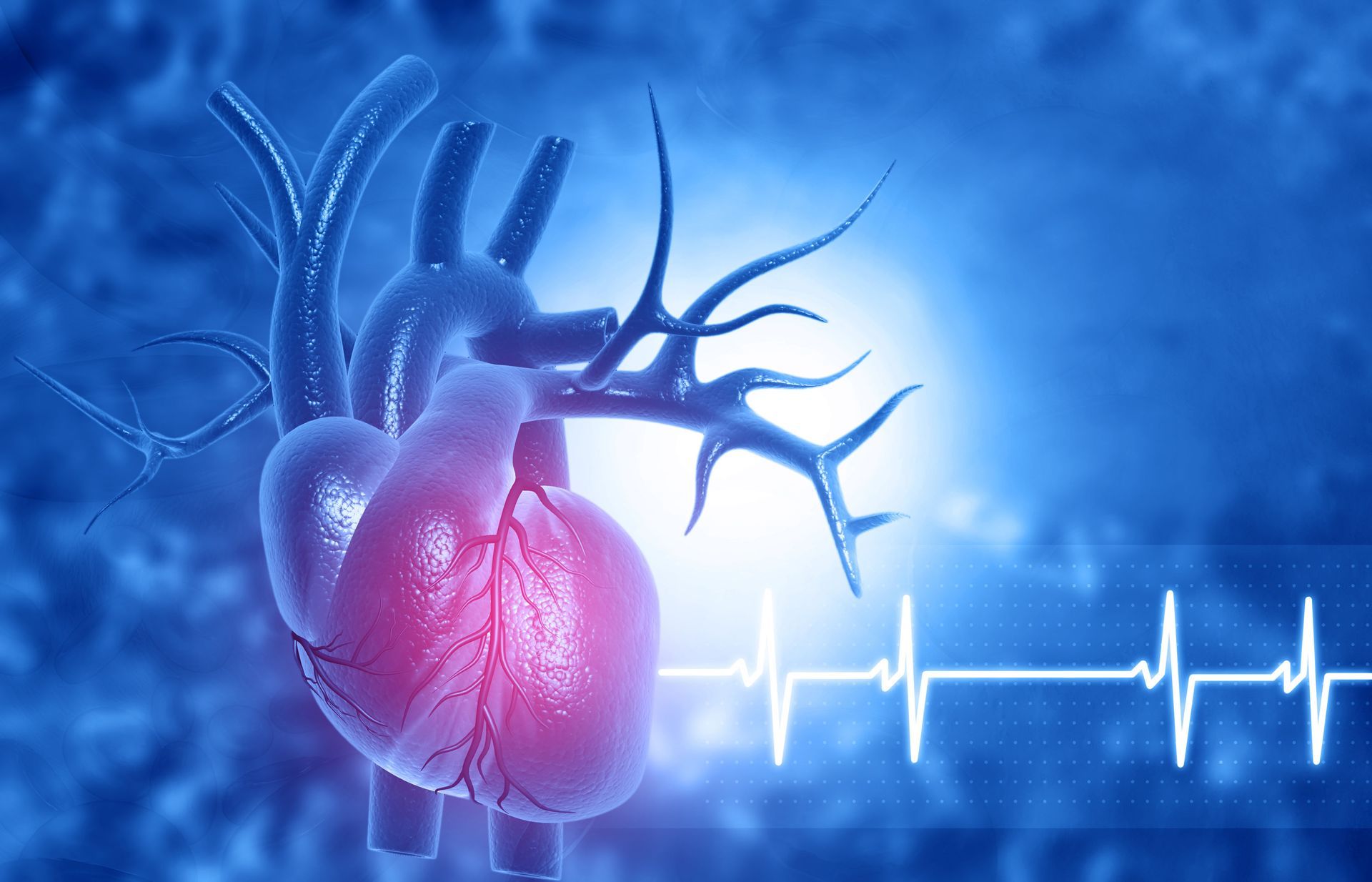
At Arizona EndoVascular Center, we believe that the heart and blood vessels are intricately connected, with one’s vascular health directly impacting heart health. Understanding the vital relationship between these systems is essential to maintaining overall well-being. The circulatory system comprises the heart, arteries, veins, and capillaries. When your blood vessels are compromised by conditions such as atherosclerosis (plaque buildup), varicose veins , or other vascular diseases, the heart works harder to circulate blood throughout the body. Over time, this can lead to heart failure, strokes, or heart attacks. Key factors that affect both heart and vascular health include high blood pressure, smoking, poor diet, lack of exercise, and diabetes. These risk factors can damage blood vessels, leading to an increased risk of cardiovascular diseases. Taking proactive steps to maintain your vascular health through regular exercise, a balanced diet, and routine checkups can help prevent complications and promote heart health. Regular screenings at Arizona EndoVascular Center can catch early signs of vascular issues before they worsen, ensuring that both your heart and vascular systems stay in top condition.
By Arizona Endovascular Center Arizona Endovascular Center February 6, 2025
As the temperatures drop, those with varicose veins may notice an increase in discomfort. Cold weather can exacerbate symptoms, but there are steps you can take to manage varicose veins and reduce symptoms. Here’s how to manage varicose veins during colder months: Layer Up – While staying warm is important, be mindful of wearing tight clothing that can restrict blood flow. Opt for loose, comfortable layers that allow circulation to move freely. Keep Moving – Cold weather can make people want to stay indoors, but regular movement is crucial for promoting good circulation. Aim for gentle exercises like walking or stretching to keep blood flowing to your legs. Use Compression Stockings – These special stockings provide gentle pressure to support the veins and improve circulation, helping to reduce swelling and discomfort in cold weather. Moisturize – Cold, dry air can irritate the skin around your veins. Regularly moisturizing your skin can reduce dryness and improve comfort. Elevate Your Legs – If you’re spending time inside, take breaks to elevate your legs above your heart to reduce swelling and promote better circulation. If cold weather is causing significant discomfort, don’t hesitate to reach out to Arizona EndoVascular Center for advice on more advanced treatment options to alleviate symptoms.
By Arizona Endovascular Center Arizona Endovascular Center February 3, 2025
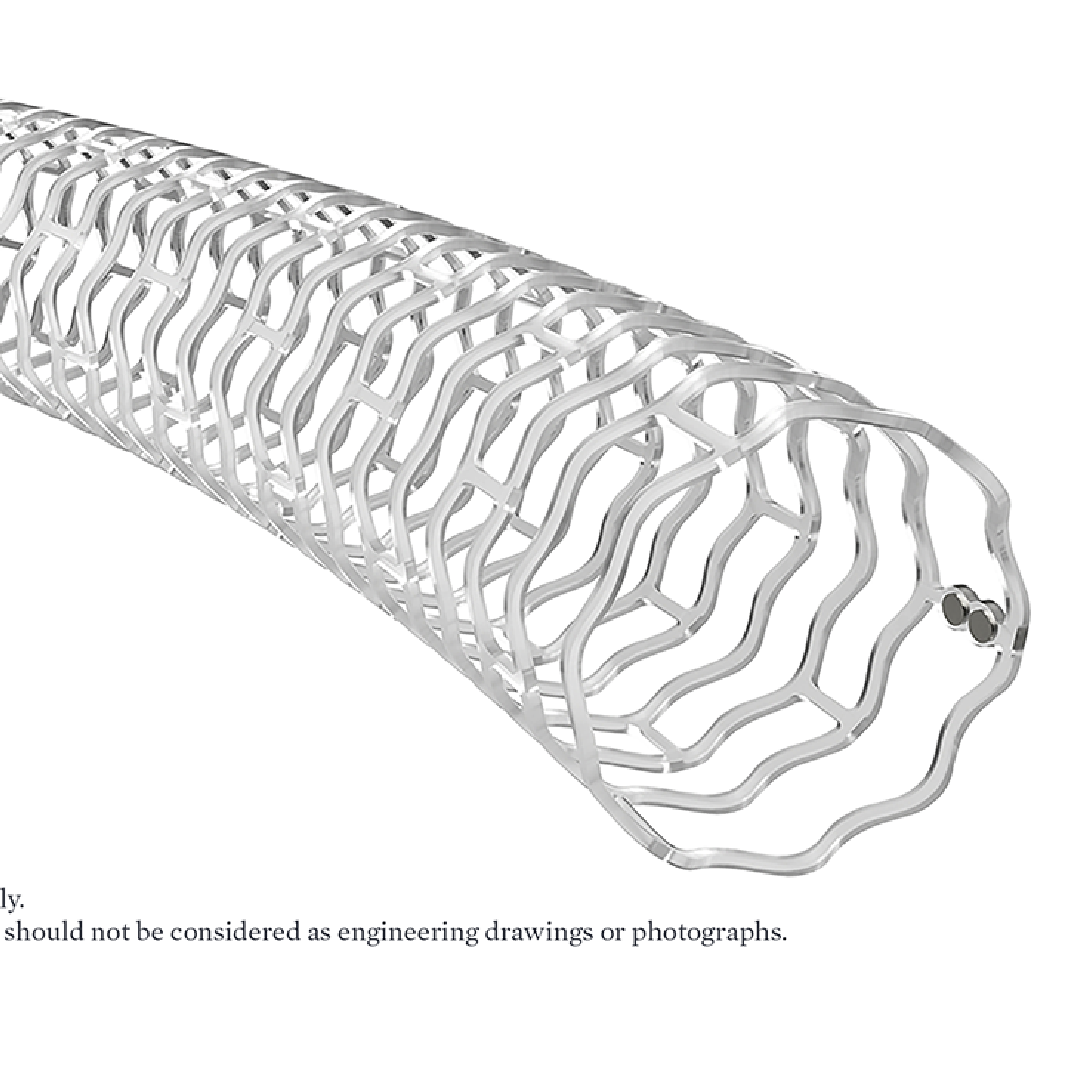
Arizona Endovascular Center, led by Dr. Sara McKeever, proudly announces the successful implantation of Abbott’s Esprit™ BTK Everolimus Eluting Resorbable Scaffold System (Esprit™ BTK System) , a groundbreaking dissolvable stent designed for patients suffering from chronic limb-threatening ischemia (CLTI) below-the-knee (BTK). Approved by the U.S. Food and Drug Administration (FDA) in April 2024, the Esprit BTK System offers new hope for individuals facing the most severe form of peripheral artery disease (PAD). The Esprit BTK System is an innovative bioresorbable scaffold designed to support the artery during the critical healing process. It delivers the drug everolimus to aid vessel healing before gradually dissolving, leaving behind a naturally functioning artery. Composed of materials similar to dissolving sutures, the scaffold is implanted through a minimally invasive, catheter-based procedure. It provides crucial support to the artery until it can maintain its own structural integrity. “The FDA’s approval of the Esprit BTK System represents a significant advancement in below-the-knee therapy,” said Dr. Sara McKeever . “This new treatment option not only supports healing but also reduces the risk of long-term complications. We are excited to offer our patients the latest technological innovations to address chronic limb-threatening ischemia and improve their quality of life.” Chronic limb-threatening ischemia (CLTI) is a severe form of PAD that occurs when arteries become obstructed with plaque, preventing adequate blood flow and oxygen from reaching the lower leg and foot. PAD affects over 20 million people in the U.S., yet only 10% of cases are diagnosed. The disease disproportionately impacts Black and Hispanic communities, with nearly 1 in 3 Black adults and 1 in 5 Hispanic adults developing PAD. Arizona Endovascular Center remains committed to pioneering advanced treatments for PAD and improving patient outcomes with state-of-the-art technology like the Esprit BTK System.
vascular clinics
November 19, 2024
In this article, we discuss how vascular clinics treat varicose veins. Read on to learn more about this interesting and helpful topic.